THEOLOGY
·
IDENTITY
·
APOLOGETICS
·
CULTURE
·
THEOLOGY · IDENTITY · APOLOGETICS · CULTURE ·
CLARITY CONFERENCE
2026 CONFERENCE KEYNOTES
Mrs. Katie Fiskness
WHAT IS CLARITY CONFERENCE?
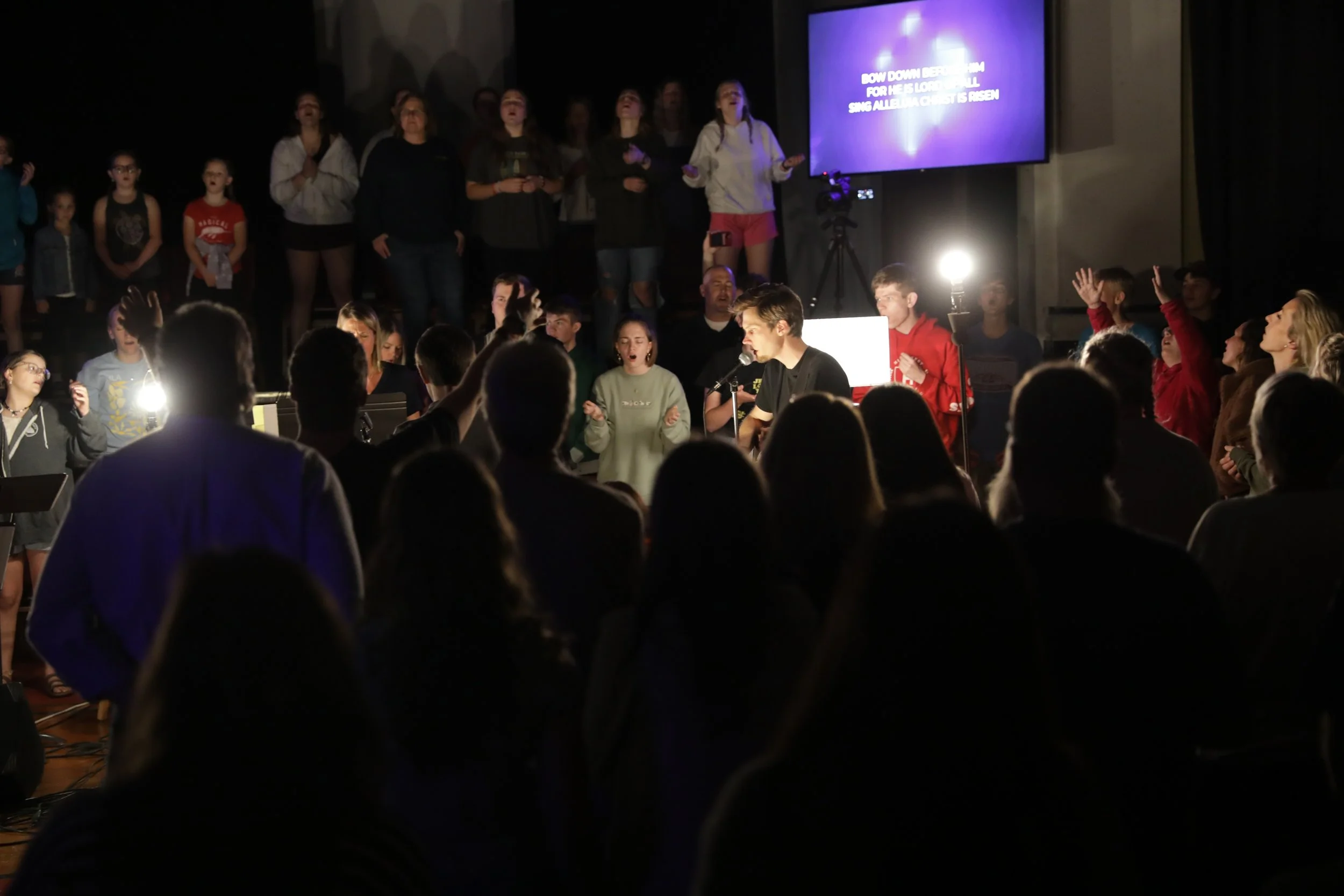
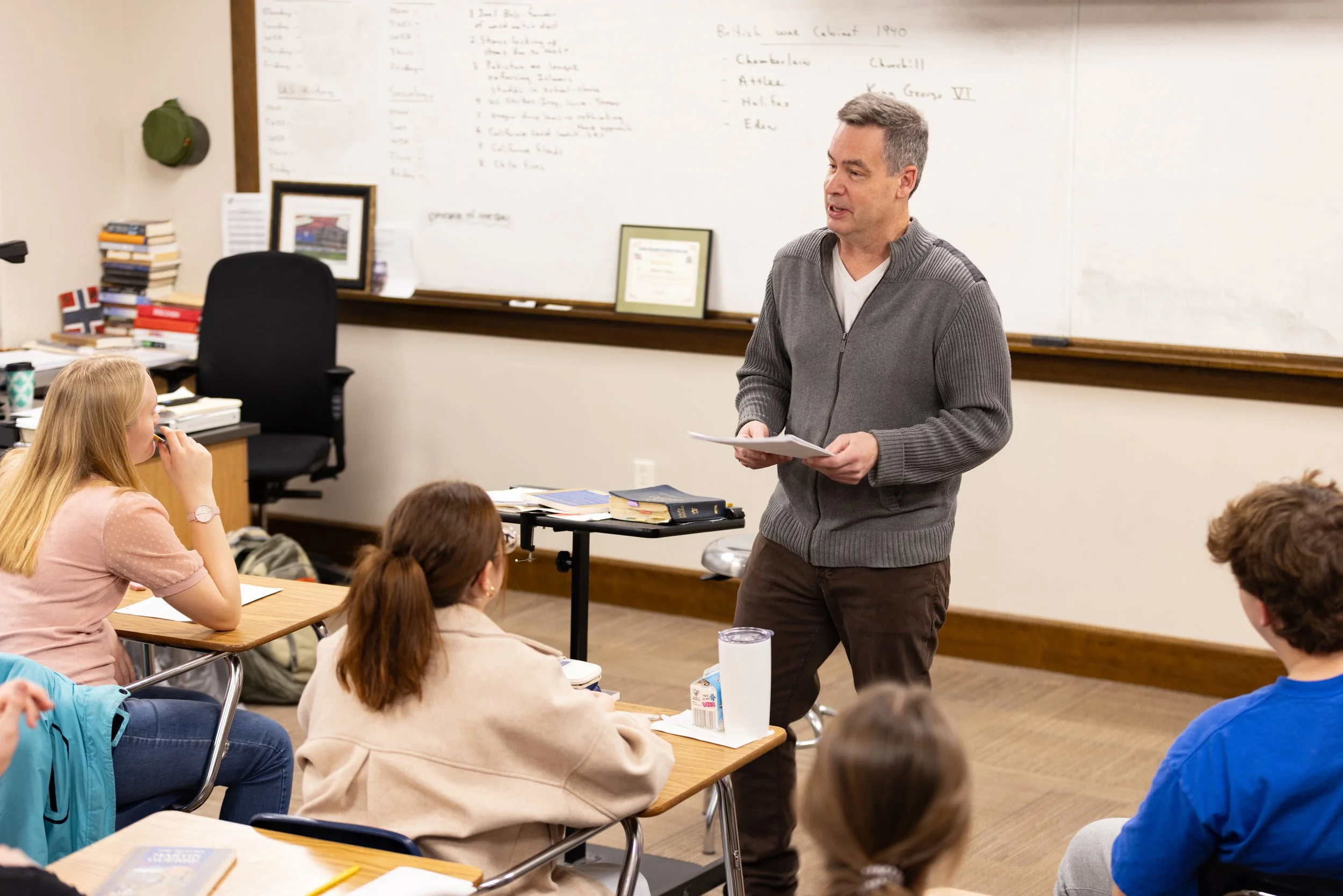
The Clarity Conference is a weekend at Hillcrest Academy designed to help students make sense of their faith in a confusing world. It gives middle and high school students clear grounding in what Christians believe, why it matters, and how to live it out with confidence and courage.
Students will engage Christ centered teaching, worship, and honest conversation around faith, culture, and real life questions. This is a space where questions are welcomed, truth is spoken clearly, and students are encouraged to follow Jesus with conviction rather than pressure or fear. The goal is not hype or emotional manipulation, but deep encouragement, clear thinking, and lasting formation.
The weekend is intentionally built around both learning and belonging. Students will laugh, compete, worship, and build friendships, all within a community centered on Christ. Many students leave with stronger confidence in their faith, clearer language for what they believe, and renewed courage to live as Christians in their schools, families, and churches.
We also believe cost should never be a barrier. The conference is $65.00 per student, covering the full weekend experience. We work hard to keep the cost as low as possible because we want students there. If a student truly cannot afford the cost, families are encouraged to reach out. We will find a way.
Questions? Contact Wayne Stender - 218.205.4199 | wstender@ffhillcrest.org
-
Clarity Conference Schedule
Friday
January 15, 20277p - Check-In
8p - Welcome & Introduction
8:30p - Main Session 1
9:30 - M&Ms
10:30 - In Dorm
11:00 - Lights Out
Saturday
January 16, 20278:00 - Morning Prayer & Devotions
9:00 - Breakfast
9:45 - Worship
10:00 - Main Session 2
11:00 - 15-Minute Coffee Break
11:15 - Breakout Session 1
12:30 - Lunch
1:30 - Main Session 3
2:30 - Breakout Session 2
3:45 - Game/Activity
5:00 - Dinner
6:00 - Main Session 4
7:30 - Tournaments + Games
9:30 - Late Night Trivia & Snacks
10:30 - In Dorm
11:00 - Lights Out
Sunday
January 17, 20278:00 - Morning Prayer & Devotions
9:00 - Breakfast
9:45 - Worship
10:00 - Closing Session
11:00 - Pack and Depart
-
Session 1: Who Gets to Tell You What Is True?
Epistemology: How We Know What We Know
Every day, students are told to “do their own research,” “trust the experts,” “follow the science,” “listen to their truth,” and believe whatever appears most confidently on their screen. But what happens when influencers, algorithms, authorities, friends, feelings, and Scripture offer different answers?
This session helps students understand how beliefs are formed and how we determine whether something is actually true. Students will consider the strengths and limitations of experience, emotion, reason, tradition, scientific observation, and cultural consensus. They will discover that Christianity does not ask them to believe without evidence, but to place their trust in the God who has revealed Himself through creation, Scripture, history, and ultimately Jesus Christ.
Central question: When everyone claims to have the truth, how do you know whom to trust?
Session 2: Is Reality Something You Discover or Something You Create?
Metaphysics: What Is Ultimately Real?
Our culture frequently tells young people that reality is flexible, that identity, meaning, morality, and even human nature can be reshaped according to personal feelings and desires. Christianity makes a very different claim: reality does not begin inside us. It begins with the God who created us.
This session explores what Christians believe about God, creation, truth, the spiritual world, and the order built into reality. Students will wrestle with the difference between interpreting reality and inventing it. They will learn that feelings are real and important without necessarily being reliable definitions of what is true. Because God created the world, students can approach reality with humility, curiosity, confidence, and wonder.
Central question: Do your beliefs shape reality, or should reality shape your beliefs?
Session 3: Just Because You Can, Does That Mean You Should?
Ethics: How We Decide What Is Good
Artificial intelligence can imitate friendship. Technology can alter bodies, manipulate images, predict behavior, and place almost unlimited information in our hands. Social media can expose wrongdoing, but it can also shame people without mercy. Modern culture continually expands what people are capable of doing while struggling to explain what they ought to do.
This session gives students a Christian framework for making moral decisions in a world of rapidly changing technology and social expectations. Rather than asking only, “Is it allowed?” or “Can I get away with it?” students will learn to ask what an action reveals about love, truth, human dignity, stewardship, freedom, and faithfulness. Christian ethics is not merely a list of restrictions. It is learning to live as people formed by the character of Christ.
Central question: How do we use freedom and technology without becoming controlled by them?
Session 4: More Than a Mind, More Than a Machine
Christian Anthropology: What Does It Mean to Be Human?
Students are increasingly treated as brains to be educated, bodies to be improved, consumers to be targeted, identities to be constructed, or data to be collected. AI can produce information, imitate creativity, and simulate conversation, raising an important question: What makes a human being different from a highly capable machine?
This session explores the Christian understanding of humanity as embodied, relational, spiritual, moral, and created in the image of God. Students will consider why their bodies matter, why relationships cannot be reduced to digital interactions, why intelligence is not the same as wisdom, and why human worth is received rather than achieved. They are not accidents, avatars, algorithms, or isolated minds. They are whole persons created by God, known by Christ, and called to love God and their neighbors with their entire lives.
Central question: If a machine can think and create, what makes you uniquely human?
Closing Session: What If Science Is an Act of Worship?
Practical Theology: Faith, Discovery, and the Created World
Many students assume that Christianity and science are competing explanations of reality. They may believe that serious Christians must distrust scientific discovery or that serious scientists must eventually abandon faith. Yet throughout history, Christians have studied creation precisely because they believed it was made by a rational, faithful, and orderly God.
Using Johannes Kepler and other Christian thinkers as examples, this session shows how theology can inspire scientific curiosity rather than suppress it. Kepler studied theology alongside mathematics and approached the order of the universe as something that revealed the wisdom of its Creator. Students will explore how Scripture and science answer different but complementary questions and how Christians can pursue knowledge without dividing their intellectual lives from their spiritual lives.
Central question: What could you discover when you study creation as the work of God?
Dr. Tony Rogness
Mr. Wayne Stender
January 15-17, 2027
Hillcrest Lutheran Academy
Mr. Gregg Preston & Mrs. Marilyn Swedberg